The Consumer MCP Server exposes data through DaaS services, so the relevant STEP objects, attributes, references, classifications, and related metadata must first be available in DaaS.
An event processor sends STEP master data and metadata through a gateway integration endpoint (GIEP), which is used to communicate with DaaS during publishing.
To configure STEP to publish data to DaaS:
-
Create and enable a GIEP for the data connection to the DaaS instance.
-
In System Setup, right-click a GIEP node and select the 'Create Gateway Integration Endpoint' option. For details, refer to the Creating a Gateway Integration Endpoint topic in the Data Exchange documentation for details.
-
Add an ID and a name.
-
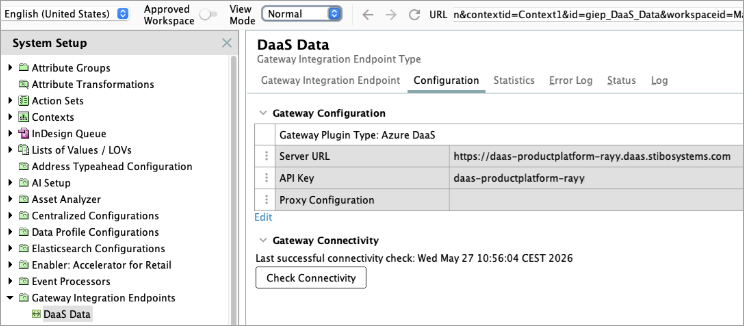
On the Configuration tab, click the Edit link and add the required information to access the DaaS instance and click the Save button.
-
Click the Gateway Integration Endpoint tab, click the Enabled parameter and select 'Yes' from the dropdown. The GIEP icon in the System Setup panel displays with a green icon.
-
On the Configuration tab, click the 'Check Connectivity' button to test the GIEP connectivity to your DaaS instance.
-
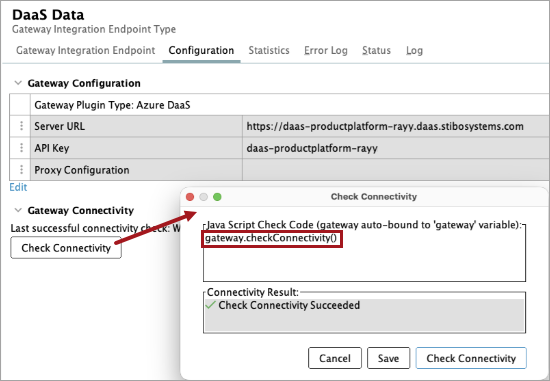
In the Java Script Check Code field, add gateway.checkConnectivity(), and click the 'Check Connectivity' button to confirm the connection succeeds.
-
-
Create an event processor using the Event Processor Wizard:
-
In System Setup, right-click an event processor node and select the 'New Event Processor' option. For details, refer to the Creating an Event Processor topic in the System Setup documentation.
-
Add an ID and a name.
-
On the Configure Event Processor step:
-
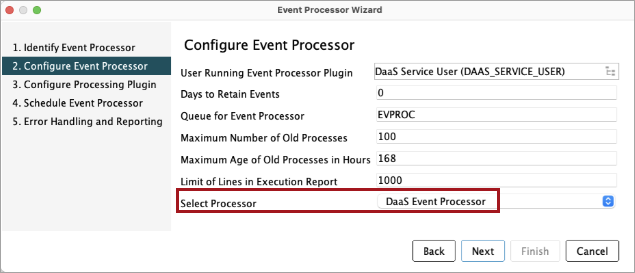
For the User Running Event Processor Plugin parameter, select a user.
Important: The privileges assigned to the selected user determine which data is included and can therefore be used to control the data that is published to DaaS.
-
For the Select Processor parameter, choose the DaaS Event Processor option from the dropdown.
-
-
On the Configure Processing Plugin step:
-
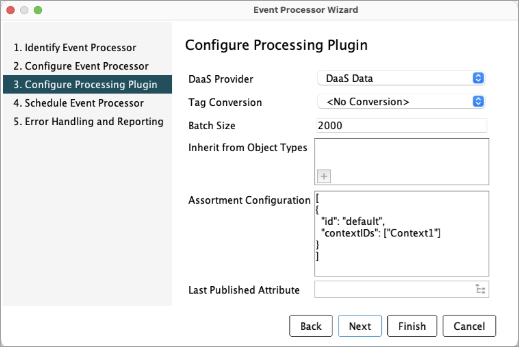
In the DaaS Provider parameter, select the previously created 'DaaS Data' gateway integration endpoint.
-
In the Assortment Configuration parameter, define which STEP contexts are published to DaaS and can also be used to separate subsets of data, and access to those subsets at consumption.
For example, one assortment could represent all product data, while another assortment could represent only the products intended for a specific channel, market, or use case. A DaaS service can later use the assortment as part of its scope configuration to determine which published data is available through that service.
To get started, a single assortment is sufficient. The example below publishes data from one context (Context1) under an assortment with the ID “default”:
[{
  "id": "default",
  "contextIDs": ["Context1"]
}]
-
-
On the Schedule Event Processor step, set the desired schedule. This event processor can be used to manually publish data or can be scheduled to continuously publish data to DaaS based on the triggering rules you define. Refer to the EP - Schedule Event Processor topic in the System Setup documentation for details.
-
On the Error Handling and Reporting step, configure as desired. Refer to the EP - Error Handling and Reporting topic in the System Setup documentation for details.
-
Click the Finish button to close the wizard.
-
-
Configure and enable the DaaS event processor:
-
Select the new DaaS event processor to display the available tabs.
-
On the Event Triggering Definitions tab, in the Triggering Object Types section, add the object types you want to publish. This determines which objects generate publishing events and are therefore sent to DaaS.
Note: If your model relies on hierarchically inherited data, additional triggering configuration may be required so that descendants are republished when inherited data changes. Refer to the Publishing to Data as a Service topic for more information.

-
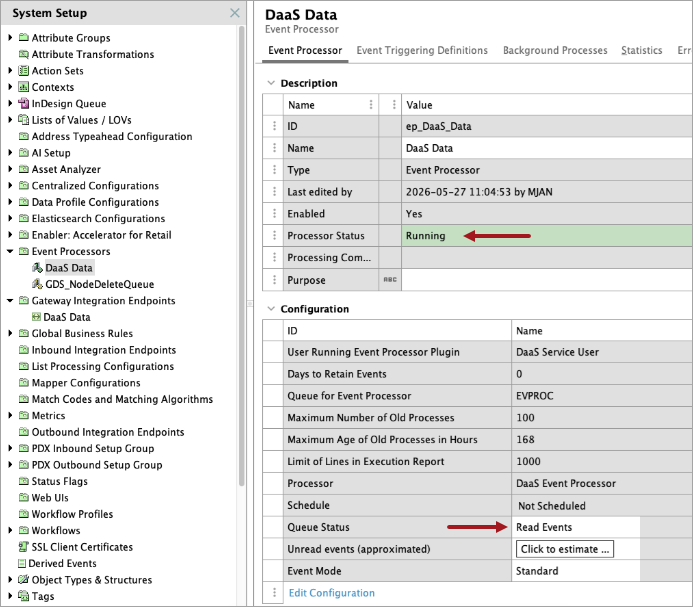
On the Event Processor tab, set the Queue Status parameter to Read Events.
-
In the System Setup panel, right-click the new event processor and click the 'Enable Event Processor' option. The Processor Status parameter shows 'Running' with a green background.
-
-
Generate the required events:
-
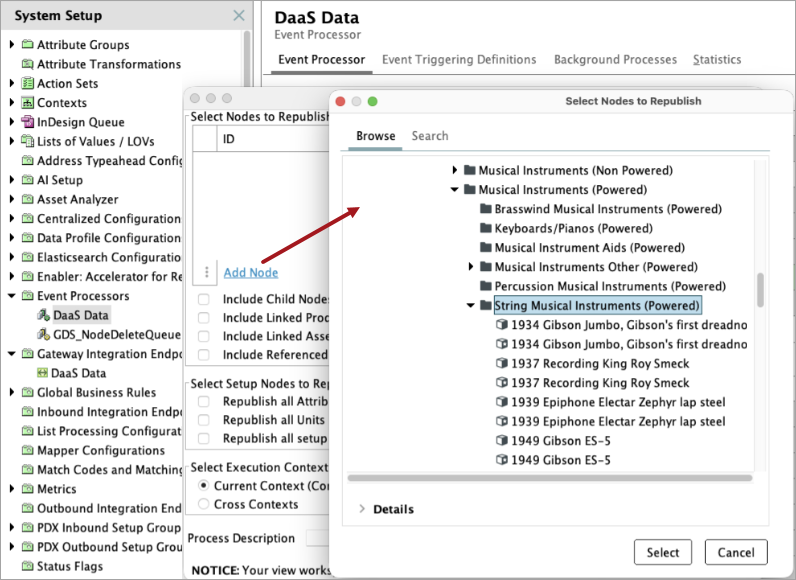
Right-click the new event processor and choose the Republish option to generate events for an initial set of data.
-
In the Select Nodes to Republish parameter, click the Add Node link and select part of the product or customer, classification, or asset hierarchy.
-
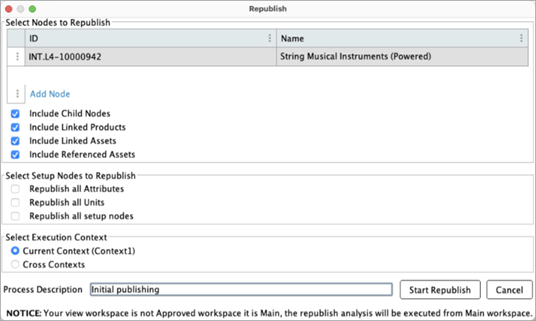
For the checkbox parameters, select the required options, such as child nodes, linked products, linked assets, and/or referenced assets. DaaS is eventually consistent, so the order in which data is published does not matter.
-
Click the 'Start Republish' button.
-
-
Publish the desired data:
-
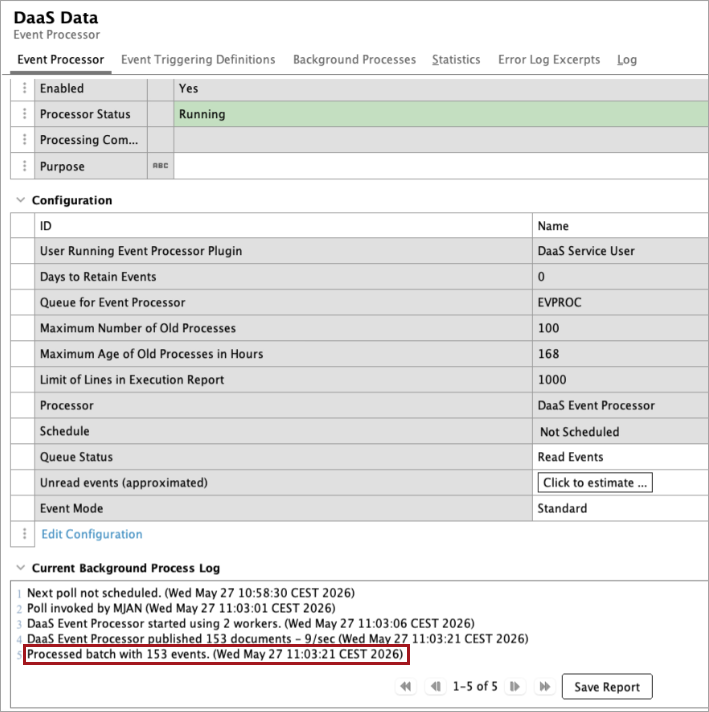
Right-click the event processor, click the 'Invoke Event Processor' option.
-
Review the execution log to confirm that the data was published successfully.
For more information about the configuration required to publish data from STEP to DaaS, refer to the Publishing to Data as a Service topic.
-